1) The Small Project
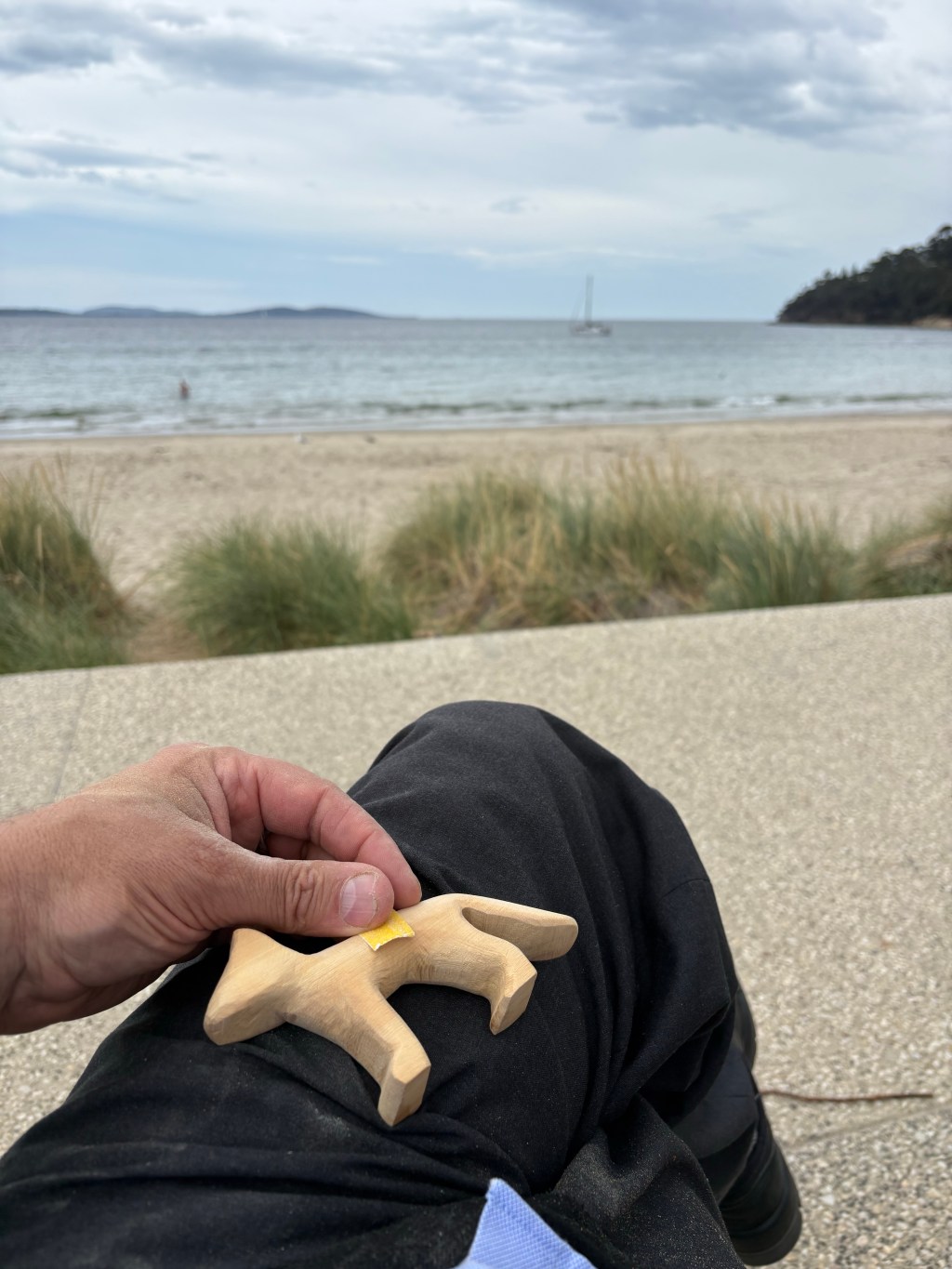
Together we set up a small craft stall on a beach bench each week, selling handmade items and demonstrating our craft live to passers-by.
2) Why I Did It (purpose / mission / goal)
We wanted to explore how sharing craft in a public space could engage a community, invite conversation, and slowly add to the culture of the beach area.
3) What We Did (method / practice)
Each week we brought a selection of small handcrafted items, set them on a simple bench display, and worked on new pieces live while chatting with people walking past. We repeated this weekly, creating a visible and consistent presence.
4) What Happened (observations)
People responded positively to seeing the craft being made in real time. Regular visitors began stopping by because they recognized the routine, and some started bringing friends. Demonstrating the work live drew more interest than simply having finished items on display.
5) What Changed in Us (reflection)
We noticed that small, consistent gestures in public spaces can grow familiarity and connection. Sharing our process openly deepened our own sense of craft and made the work feel more alive and communal.
6) What We’d Do Differently Next Time
We’d experiment with adding interactive elements, like letting passers-by try simple steps, and maybe rotate the types of crafts to keep curiosity high.
7) What Someone Else Could Try
Pick a safe, welcoming public spot, bring a few of your handmade creations, and show your craft live for an hour or two. Repeat weekly to build recognition and connection with your community.
8) The Invitation
Want to try something like this together? Even a small, shared presence can quietly shape the culture around a place and spark conversations you wouldn’t expect
-
Chapter 45: Working with Karen
Karen sought to create with her hands, transforming her craft skills into a woodcraft venture named “Bushstix.” With minimal guidance, she quickly excelled, designing unique stick furniture. Through collaboration, she gained independence and confidence, ultimately realizing her potential and creativity without the constraints of a formal business structure.
-
Chapter 81: Priscilla’s Woodcraft Adventures
Priscilla didn’t set out to start a business. She began by carving wood because she loved it. Over time, her making deepened — supported, unhurried, and grounded in care. Her story reflects the heart of Woodcraft Adventures: growth without pressure, and craft shaped by relationship.
-
Chapter 70: The Cognitive Factory
The author reflects on their experience at Deakin University, where they transformed a community shed’s woodwork program for individuals with acquired brain injuries. By fostering creativity and capability rather than patronization, they discovered the participants’ potential, emphasizing that people often lack opportunities and tailored designs, not ability itself.
-
Chapter 1: Picking Up Wood
The author reflects on a tumultuous childhood marked by abuse and neglect, leading to a survival instinct rather than an entrepreneurial mindset. While school provided safety and structure, graduating with a business degree left him feeling empty. A newfound passion for woodworking emerged as a form of self-discovery and healing. He honed his craft over…
-
Chapter Ninety One: Strong Hands, New Beginnings.
Priscilla’s Woodcraft Adventures highlights the journey of a craftsperson who transformed personal challenges into a thriving business. After her husband abandoned her, she pivoted from sewing to woodworking, eventually expanding her reach across multiple shops. The initiative aims to support other craft businesses, particularly women, by providing structural support for growth and sustainability in creative…